Health and Safety Policy — Commercial Waste Egham
 Purpose: This Health and Safety Policy sets out the commitment of our commercial waste operation to protect employees, contractors and customers during all aspects of rubbish collection and commercial rubbish services. The policy applies to waste transport, on-site handling, storage and recycling activities carried out by the business and by authorised subcontractors. It is designed to support safe behaviour, reduce workplace incidents and ensure the delivery of compliant waste management and rubbish company services across our service area.
Scope: The policy covers all personnel engaged in commercial waste collection, transfer, sorting and disposal activities including drivers, loaders, operatives and administrative staff. It addresses the management of general refuse, recyclable materials and selected non-hazardous commercial wastes encountered in daily operations. All staff must be familiar with the requirements, follow safe systems of work and participate in training and monitoring activities that support safe waste handling and transport.
 Responsibilities: Senior management has overall responsibility for the health and safety of the operation and will ensure adequate resources, documented procedures and regular review. Supervisors and team leaders must implement the policy, perform risk assessments and maintain safe equipment. Employees and operatives are responsible for following instructions, wearing specified personal protective equipment (PPE) and reporting hazards, incidents or near misses immediately. Subcontractors offering rubbish removal or commercial waste collection services must demonstrate equivalent safety standards and cooperate with joint site risk controls.
Risk Assessment and Control Measures
Risk assessments will be conducted for routine and non-routine tasks including vehicle loading/unloading, manual handling, bin lifts and working at boundaries near traffic. Where risks are identified, control measures will be applied following hierarchy: elimination, substitution, engineering controls, administrative controls and PPE. Safe driving practices for waste collection vehicles, secure load management and segregation of materials are core controls to prevent harm during commercial waste removal.
 Personal Protective Equipment (PPE): Appropriate PPE, such as high-visibility clothing, gloves, steel-toe boots and eye protection, will be provided and maintained. PPE requirements will be stated on task briefings and in vehicle documentation for rubbish company crews. Employees must inspect PPE before use and report damaged items for replacement. Training in correct use and care of PPE forms part of induction and refresher programs to support safe commercial rubbish services.
Manual Handling and Ergonomics: Manual handling procedures will be implemented to reduce musculoskeletal risk. Mechanical aids, trolleys and lifting equipment will be used where practicable. Teams will be trained in lifting techniques, safe bin handling and avoidance of repetitive strain. Work scheduling and job rotation will be used to limit prolonged exposure to heavy tasks associated with commercial waste collection.
Operational Safety, Hazardous Materials and Vehicles
Vehicles used for waste transport will be subject to routine inspections, loading checks and maintenance schedules. Drivers will hold relevant qualifications and receive training on vehicle safety, load security and incident response. Procedures for vehicle breakdowns, traffic incidents and site-specific access restrictions are incorporated into operations planning for commercial rubbish collection.
 Hazardous and Controlled Substances: Where staff encounter potentially hazardous substances or suspect waste streams, work will stop and the item reported to the supervisor. Prohibited items and dangerous goods will be segregated and handled only by trained personnel following safe disposal pathways. Control of hazardous substances will include assessment, labeling, safe storage and use of appropriate protective measures to limit exposure during waste management tasks.
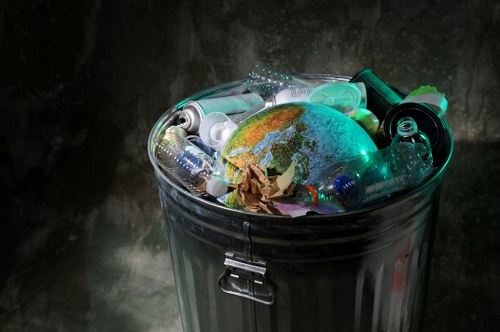 Environmental and Public Safety: The policy recognises the need to protect the environment and public health. Litter prevention measures, spill response plans and secure containment for loose materials are mandatory. Employee actions should avoid contamination of land or water and minimise nuisance such as dust, odour or leakage during rubbish operations. Waste segregation and recycling processes are promoted to reduce landfill and promote resource recovery in line with responsible waste management practices.
Training, Competence and Communication: All staff will receive induction, role-specific training and periodic refresher briefings that cover operational safety, emergency procedures and reporting mechanisms. Competence assessments and toolbox talks help maintain awareness of safe handling of commercial waste. Communication channels will encourage reporting of unsafe conditions and support continuous improvement across the rubbish company service area.
Incident Reporting and Investigation: All incidents, near misses and health concerns must be reported promptly so that corrective actions can be taken. Investigations will identify root causes, implement remedial measures and share learning across teams. Records of incidents, training and maintenance activities will be kept to demonstrate compliance with internal policy and to inform ongoing safety improvements.
Monitoring, Review and Continuous Improvement: The policy and associated procedures will be reviewed at regular intervals or following significant changes to operations, incidents or legislation. Performance will be monitored using safety metrics, audits and management reviews. Continuous improvement is achieved through staff engagement, analysis of trends in waste-related incidents and adapting controls to evolving risks across commercial waste collection and rubbish removal activities.
Commitment: This policy represents the organisation's commitment to a safe working environment for everyone involved in commercial waste and rubbish services. By adhering to the standards set out here, we aim to prevent injury, protect the public and the environment, and deliver reliable waste management services with safety as a core priority.
